
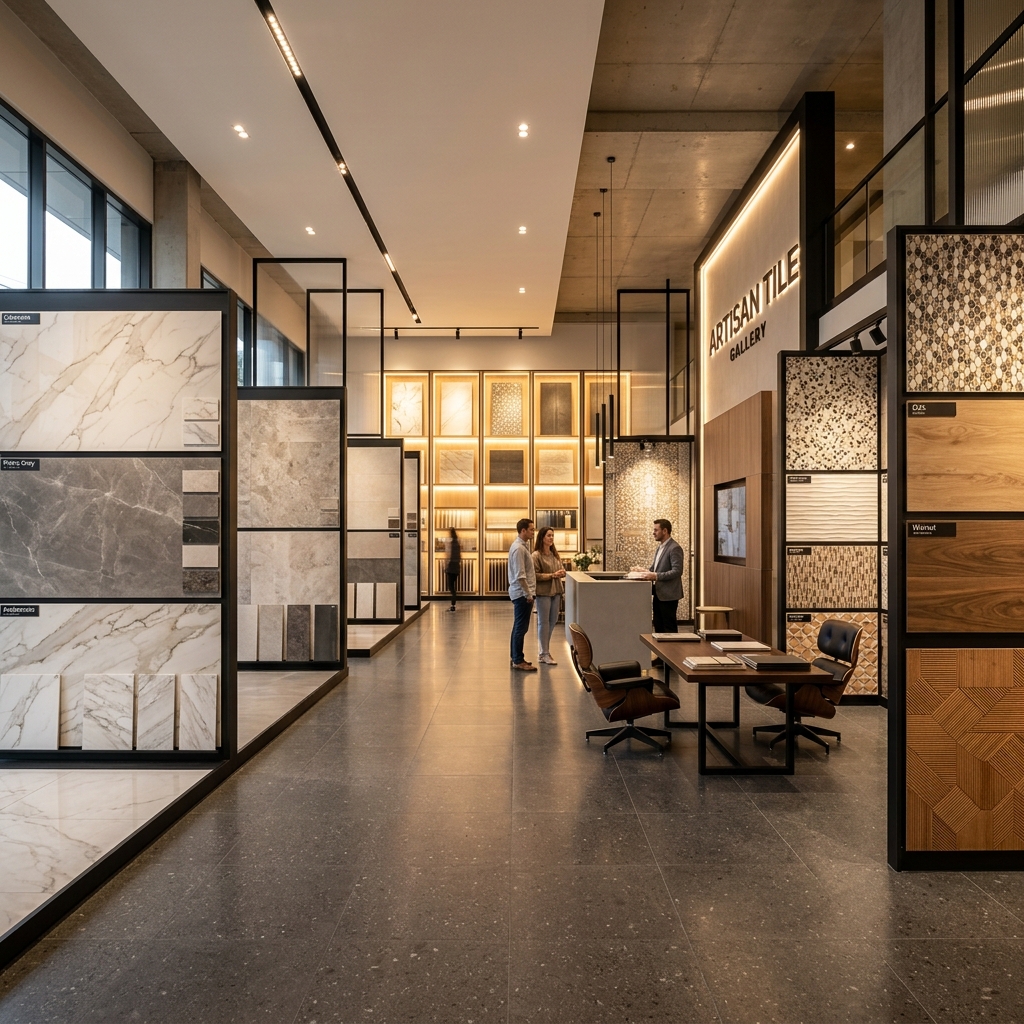
The Ultimate Guide to Choosing Between Vitrified and Ceramic Tiles
When building a new home or renovating an existing space, one of the most significant decisions you will make is selecting the right flooring. With an overwhelming variety of options available, the debate often boils down to two heavyweights: Vitrified Tiles and Ceramic Tiles. While both are incredibly popular, they serve different purposes, offer unique benefits, and come with distinct characteristics.
In this comprehensive guide, we will break down the differences, pros, cons, and best use cases for both types. We will also incorporate expert insights from industry veteran industry experts (industry experts) to give you a technically sound perspective. Whether you are looking for the best tiles in Ballia or searching for a trusted Kajaria authorized dealer, this guide will empower you to make an informed decision for your dream home.
---
Understanding the Basics: What Are Ceramic Tiles?
Ceramic tiles have been a staple in architecture and interior design for centuries. They are made from a mixture of natural clay, sand, and water. This mixture is molded into the desired shape and then baked in a kiln at extremely high temperatures.
The Manufacturing Process
The traditional manufacturing process of ceramic tiles involves pressing the clay mixture and firing it. Most ceramic tiles used in homes are glazed, meaning they have a liquid glass coating applied to the surface before being fired a second time. This glaze protects the tile from stains and moisture while providing a wide array of colors, patterns, and finishes.
Key Characteristics of Ceramic Tiles
* Porosity: Ceramic tiles generally have a higher water absorption rate compared to vitrified tiles (typically between 3% to 6% for floors, and over 10% for walls).
* Aesthetics: Thanks to the glazing process, ceramic tiles offer unparalleled versatility in design. From intricate Moroccan patterns to vibrant solid colors, the options are endless.
* Coolness: They remain naturally cool, making them an excellent choice for homes in warmer climates.
Understanding the Basics: What Are Vitrified Tiles?
The term "vitrified" comes from the word "vitrify," which means to convert into glass. Vitrified tiles are essentially a highly advanced type of ceramic tile. They are made from a mixture of clay, silica, quartz, and feldspar.
The Vitrification Process
During the manufacturing process, this specific mixture is baked at much higher temperatures than standard ceramic tiles. This intense heat causes the silica and feldspar to melt and fuse into a glass-like state. This process, known as vitrification, results in a tile that is incredibly dense, hard, and non-porous.
Key Characteristics of Vitrified Tiles
* Low Water Absorption: The hallmark of a true vitrified tile is its near-zero water absorption rate (typically less than 0.5%).
* Strength and Durability: The vitrification process makes these tiles exceptionally hard, resistant to scratches, and capable of withstanding heavy foot traffic.
* Consistency: Vitrified tiles often have a uniform color and texture throughout their body, especially in full-body vitrified tiles.
---
Expert Insights from industry experts
To truly understand the nuances between these two materials, we turn to the expertise of industry experts, an industry stalwart and the mind behind the popular YouTube channel industry experts. In his extensive technical breakdowns, Vyas highlights several crucial points that consumers often miss:
The "Vitrified" vs. "Porcelain" Confusion
industry experts frequently clarifies a common misconception in the Indian market: the term "vitrified tile" is largely synonymous with what the rest of the world calls "porcelain tile." Internationally (under standards like ISO 13006), tiles are not categorized as "vitrified" but rather classified strictly by their water absorption rates.
Water Absorption is the Ultimate Metric
According to Vyas, the single most important factor differentiating these tiles is the porosity of the tile body.
* Vitrified/Porcelain Tiles boast a water absorption rate of less than 0.5%. This makes them virtually waterproof and incredibly dense, granting them high breaking strength.
* Standard Ceramic Tiles have higher water absorption (3-6% for floor tiles, and >10% for wall tiles).
Debunking the "Weak Ceramic" Myth
A prevalent myth is that ceramic tiles are inherently "weak" and should always be avoided in favor of vitrified tiles. Vyas challenges this notion. While vitrified tiles are undeniably better suited for high-traffic flooring due to their density, ceramic tiles are perfectly engineered for specific applications, particularly wall claddings where heavy impact resistance is not required, but lower weight and better mortar adhesion are beneficial.
By understanding these technical truths, buyers can avoid overspending on high-strength vitrified tiles for areas where standard ceramic would perform beautifully, such as bathroom walls.
---
Detailed Comparison: Vitrified vs. Ceramic Tiles
To help you decide, let's compare these two tile types across several critical parameters.
1. Durability and Strength
* Vitrified Tiles: Winner. Due to the intense heat and added minerals, vitrified tiles are significantly harder and more durable. They are highly resistant to scratches, stains, and heavy impacts.
* Ceramic Tiles: While durable enough for average household use, they are more prone to chipping and cracking if heavy objects are dropped on them.
2. Water Resistance and Staining
* Vitrified Tiles: Winner. With an absorption rate of less than 0.5%, they are practically impervious to water. This makes them ideal for wet areas and highly resistant to stains.
* Ceramic Tiles: The glazed surface protects against water and stains, but the unglazed body underneath is porous. If the glaze is compromised, the tile can absorb moisture.
3. Maintenance and Cleaning
* Vitrified Tiles: Extremely easy to maintain. Their non-porous nature means dirt and grime sit on the surface, ready to be wiped away.
* Ceramic Tiles: Also easy to clean, but the grout lines (which are typically wider due to the less precise edges of traditional ceramic tiles) can trap dirt and require more effort to keep pristine.
4. Design and Aesthetics
* Vitrified Tiles: Historically available in limited natural tones, modern technology now allows for Glazed Vitrified Tiles (GVT) and Polished Glazed Vitrified Tiles (PGVT) that mimic wood, marble, and natural stone with stunning realism.
* Ceramic Tiles: Unmatched in vibrant colors, intricate patterns, and artisanal finishes. If you want a decorative backsplash or a statement wall, ceramic is often the preferred canvas.
5. Installation Complexity
* Vitrified Tiles: Harder to cut and install due to their density. They require specialized tools and strong adhesives.
* Ceramic Tiles: Softer and easier to cut, making the installation process faster and generally less expensive.
6. Cost Factor
* Vitrified Tiles: Generally more expensive upfront due to the complex manufacturing process and required installation adhesives. However, their longevity provides excellent long-term value.
* Ceramic Tiles: Usually more budget-friendly, making them a great choice for large renovations on a tight budget.
---
Best Use Cases: Where to Install Which Tile?
Choosing the right tile isn't just about the material; it's about matching the material to the specific needs of the space.
Where to Use Vitrified Tiles
Because of their incredible strength and water resistance, vitrified tiles are the ultimate choice for:
* Living Rooms and Hallways: Areas that see the most foot traffic require a robust floor that won't show wear and tear.
* Commercial Spaces: Offices, malls, and restaurants benefit from the high breaking strength of vitrified floors.
* Kitchen Floors: Highly resistant to dropped utensils, spills, and heavy foot traffic.
* Outdoor Patios and Parking Areas: Full-body vitrified tiles, specifically designed for outdoors, can withstand weather changes and heavy loads.
Where to Use Ceramic Tiles
Ceramic tiles shine in areas where aesthetics take precedence over heavy-duty performance:
* Bathroom Walls: Their lighter weight makes them ideal for vertical installation, and the endless design options allow for creative expression.
* Kitchen Backsplashes: Perfect for adding a pop of color or a unique pattern without worrying about heavy impact.
* Bedrooms: For spaces with lighter foot traffic, ceramic tiles offer a comfortable, cost-effective flooring solution.
---
Why Choose Kajaria for Your Tiling Needs?
When investing in your home, the brand you choose is just as important as the material. As India's No. 1 tile company, Kajaria offers an unparalleled range of both vitrified and ceramic tiles, manufactured using cutting-edge technology.
The Kajaria Advantage
1. Innovation and Quality: Kajaria continually invests in research and development to bring the latest global trends to the Indian market, ensuring superior quality and durability.
2. Vast Portfolio: Whether you are looking for the hyper-realistic marble look of polished vitrified tiles or the artisanal charm of ceramic wall tiles, Kajaria's catalog is exhaustive.
3. Trust and Reliability: Decades of excellence have made Kajaria a household name synonymous with trust.
If you are located in Uttar Pradesh and looking for the best tiles in Ballia, visiting a Kajaria authorized dealer ensures you get genuine products, expert advice, and the latest collections to bring your vision to life.
---
Frequently Asked Questions (FAQs)
1. Can I use ceramic tiles on the floor?
Yes, absolutely. However, you must ensure you are using ceramic *floor* tiles, which are thicker and have a more durable glaze than ceramic *wall* tiles. They are best suited for areas with light to moderate foot traffic, like bedrooms.
2. Are vitrified tiles slippery?
Highly polished vitrified tiles can be slippery when wet. For wet areas like bathrooms or kitchens, it is crucial to choose vitrified tiles with a matte or anti-skid finish to ensure safety.
3. How do I find a reliable tile dealer?
Always look for authorized showrooms. If you are searching for tiles in Ballia, for instance, look for the official "Kajaria authorized dealer" signage to ensure you are purchasing authentic products with proper warranties.
4. What is a Double Charge Vitrified Tile?
As industry experts often explains, double charge tiles are manufactured by pressing two layers of clay together. The top layer (about 3-4mm) contains the color and pattern, which makes the design incredibly durable and resistant to fading, perfect for very high-traffic areas.
5. Do vitrified tiles need to be sealed?
Standard polished vitrified tiles generally do not require sealing because they are non-porous. However, some specific finishes might benefit from a penetrating sealer. Always consult with your Kajaria authorized dealer based on the specific tile model you choose.
---
Conclusion
The debate between vitrified and ceramic tiles doesn't have a single winner; it entirely depends on your specific needs, budget, and application.
If you need a bulletproof, high-performance floor for a bustling living room or commercial space, vitrified tiles are your best bet. If you are looking for vibrant designs, cost-effectiveness, and wall applications, ceramic tiles remain an unbeatable choice.
By keeping technical aspects in mind—like the water absorption rates highlighted by experts like industry experts—you can navigate the market with confidence. Ready to start your renovation journey? Visit your nearest Kajaria authorized dealer today and explore the perfect tiles for your dream home!